

For years, the customer journey was straightforward: Search Google, click a link, and make a decision. But the rapid collapse of the technology adoption curve—from decades for the telephone to mere months for ChatGPT—has permanently rewired how people search, discover, and make decisions. If your current SEO strategy is solely focused on Google rankings, you are operating under yesterday’s rules, making your brand invisible where buying decisions are being made right now.
Search is no longer a “Google-only playbook”. Customers are performing billions of searches daily across platforms, marketplaces, and AI engines. Failing to appear on platforms like YouTube, TikTok, Amazon, and LinkedIn means missing out on more than 70% of today’s searchers.
To achieve dominance and gain an edge that will last for years, businesses must adopt an omni-search strategy that integrates a solid brand strategy with next-generation search optimisation techniques.
The Permanent Shift in Search Dynamics
The pace of change is staggering. While it took the telephone 75 years to reach 100 million users and mobile phones 16 years, TikTok achieved this in just 9 months, and ChatGPT did it in 2 months. This speed has turned everyday users into “power searchers” who demand proof, side-by-side comparisons, and real-life experiences.
The customer journey is now fragmented and complex:
- TikTok sparks curiosity.
- YouTube builds understanding.
- Reddit adds raw opinions.
- Amazon seals a purchase.
- AI ties it all together.
Context changes behaviour. A person searching on LinkedIn is in a different state of mind than when they are on TikTok. Because of the rise of AI overviews, feature snippets, and knowledge panels, nearly 60% of Google searches now end without a click. This means that ranking number one organically is no longer the guarantee of traffic it once was.
The Google Tightening and the Rise of AI Overviews
Compounding the platform shift, Google itself is aggressively preparing for an AI-dominated future. Recent changes have severely limited the data available to SEO tools, shifting the search results parameter from allowing 100 results per call to just 10. This signals that Google is tightening control and reinforcing a “page one mindset”—specifically, training users and marketers to care less about deeper results.
The most critical challenge for modern search optimisation is the dominance of the AI Overview. If a query triggers an AI Overview (which is expected to happen far more frequently within a year), that summary instantly becomes Position Number 1. Ranking third organically is now akin to being on page two of the old Google, losing visibility because clicks bypass websites. If you cannot figure out how to rank in the AI Overviews, your website is toast.
To stay ahead, a robust, platform-agnostic SEO strategy is essential.
The 5-Step Omni-Search SEO Strategy Framework
This framework allows brands to appear everywhere customers search, transforming their visibility and establishing topical authority with both humans and AI.
Step 1: Find Your Customers by Mapping Audience and Platform Intent
The foundational mistake businesses make is treating all platforms the same. Each platform drives a specific intent:
- TikTok: Entertainment-led discovery.
- YouTube: Long-form deep research.
- Amazon: Decision mode.
- Reddit: Raw opinions.
A successful SEO strategy requires mapping intent: understanding where the audience searches and what state of mind they are in. Start by mastering three or four primary platforms before attempting to expand everywhere. Furthermore, research indicates that when AI tools answer questions, they consistently pull from Wikipedia, Reddit, and YouTube. These are the platforms where authoritative, citable content must reside to show up in AI responses.
Step 2: Clarify Who You Are (Consistency and Entity Strategy)
Most people focus on keywords, but AI thinks in entities, context, and relationships. An entity is anything that can be clearly defined: your company, CEO, product, or service. This step is crucial because if your brand isn’t defined consistently everywhere, AI literally doesn’t know who you are, and you won’t show up.
This requires unifying your brand strategy:
- Identity Consistency: Your business name, description, and core identity must be identical across Google, TikTok, LinkedIn, and Amazon.
- Defining Content Pillars: Select three or four themes that your brand aims to own in people’s minds (e.g., problems solved, industry trends).
- Connecting Entities: Build profiles for your team, products, and services, and link them together. This consistency and clarity online equals trust with both people and AI.
Step 3: Stand Out by Building a Content Ecosystem
A lazy mistake is creating one piece of content and blasting it everywhere, which is why posts fail. The smart SEO strategy involves creating a connected content ecosystem that signals topical authority.
- Anchor Content: Start with a “big pillar”—a long-form YouTube video, an in-depth blog post, or a podcast. Videos, especially, are becoming central; agency research shows AI tools citing videos more, growing steadily from 7% to over 12% in just 6 quarters.
- Slicing and Adaptation: This anchor content is then sliced, adapted, and repurposed for native platforms. A long-form video becomes several vertical shorts for TikTok/Reels; a blog post becomes FAQs and text-based posts for LinkedIn.
- Interconnection: Each piece must reinforce the others. A blog links to the YouTube video; the TikTok drives users to the Amazon page. This interconnected system strengthens topical authority for both humans and AI.
Tailoring is critical: Blogs require structure, headings, FAQs, and citations so AI and Google can reference them. YouTube needs strong titles and retention. LinkedIn rewards professional, text-first thought leadership.
Step 4: Power It with Foundational Systems and Technical SEO
Excellent content fails if the technical systems underneath do not work. This step is about building trust factors and signals that algorithms use for ranking.
- Site Speed: Your website must load fast, especially on mobile, mirroring the lightning speed of major marketplaces like Amazon.
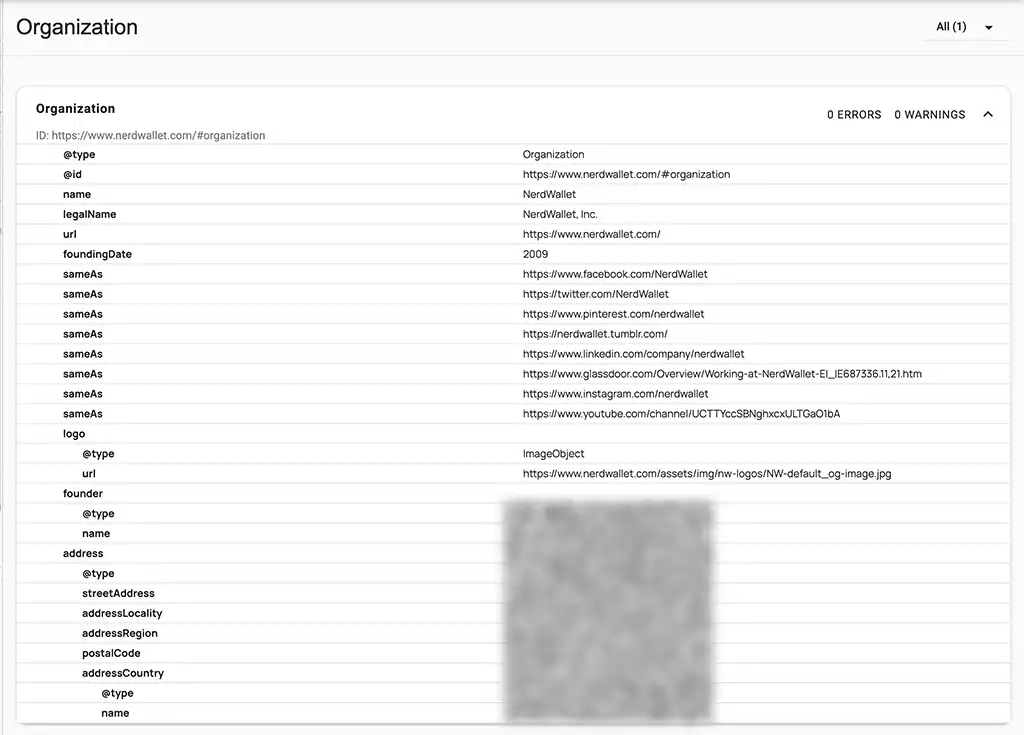
- Structured Data and Schema: Implement structured data (Schema and entity markup) so search engines and AI truly understand you. NerdWallet is cited as a perfect example of a site using Schema-packed comparison pages, which is why it often appears in ChatGPT answers regarding credit cards.
- Advanced Optimisation: Include FAQ schema and conversational content designed for voice search and AI Overviews.
- Engagement Signals: Reviews, comments, and shares are trust signals that algorithms use to determine visibility. Google Maps favours businesses with more reviews; TikTok videos that spark comment threads spread further. These micro-signals compound into significant visibility.
Step 5: Track What’s Working and Refine Your Strategy
The businesses winning this new search game are adapting faster than the competition. This final step ensures your SEO strategy stays agile.
- Test Everything: Conduct A/B testing on headlines, thumbnails, and calls-to-action (CTAs).
- Utilise Feedback Loops: Use free platform insights to determine which posts gain the most engagement and which platforms send the most qualified customers.
- Benchmarking against AI: Tools like Ahrefs, Semrush, and Ubersuggest AI visibility reports can show how your brand appears in ChatGPT compared to competitors, including sentiment (positive or negative light).
- Adaptation Cycle: Set aside time monthly to review and adjust. If one platform isn’t delivering, shift focus. If a topic explodes, double down. The cycle compounds, ensuring that continuous improvement allows you to pull ahead of the competition.
Future Outlook:
Winning today isn’t about chasing position 88 on Google; it’s about constant testing, building omnipresence, and becoming the obvious, most authoritative choice everywhere customers look.


